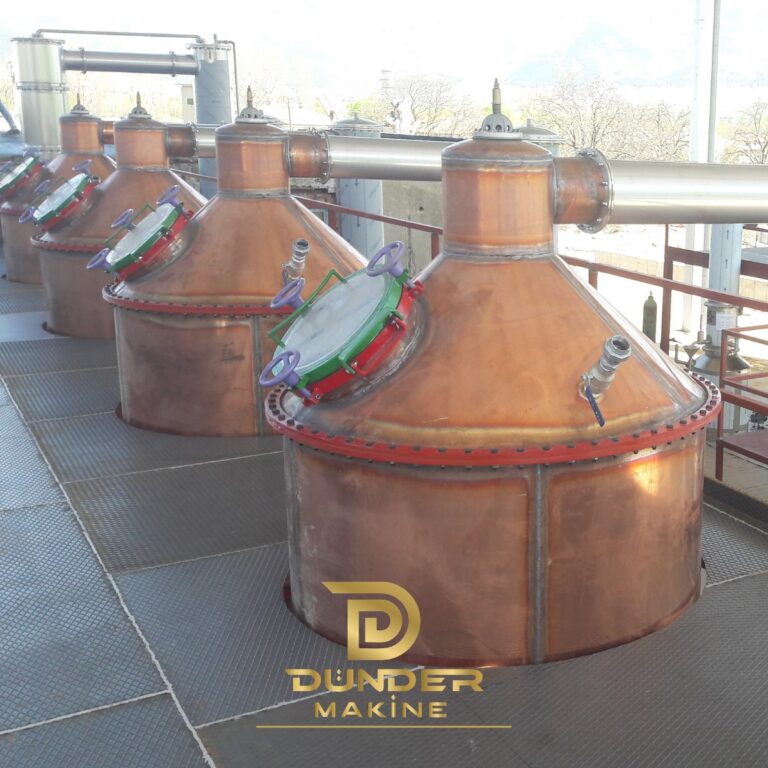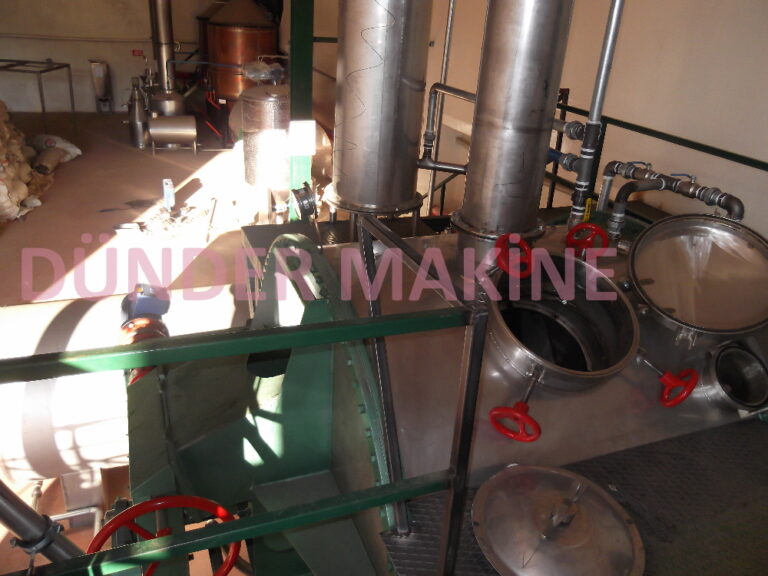
A rotary extraction line links the extractor, the evaporator and the concentrator into one process. Here is a closer look at a complete rotary extraction line that Dünder Makine built for a flower processing plant.
Extractor and evaporator together
The rotary extractor sits next to the vacuum evaporator, so the solution travels only a short distance. Short pipe runs mean less product loss and easier cleaning.
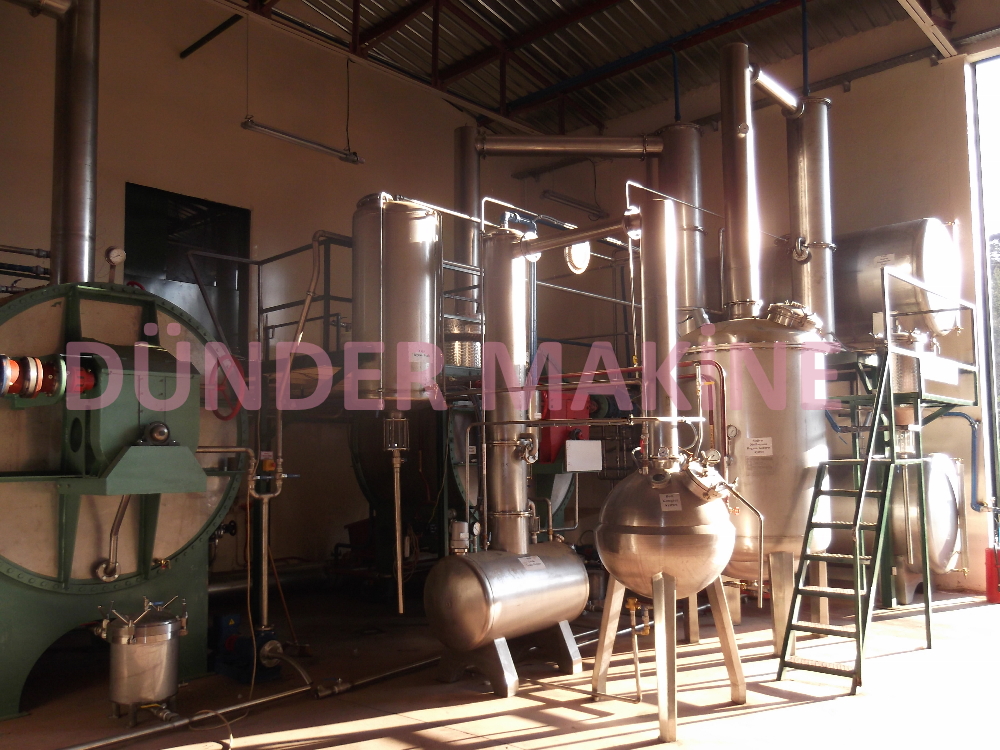
Concentrators and receivers
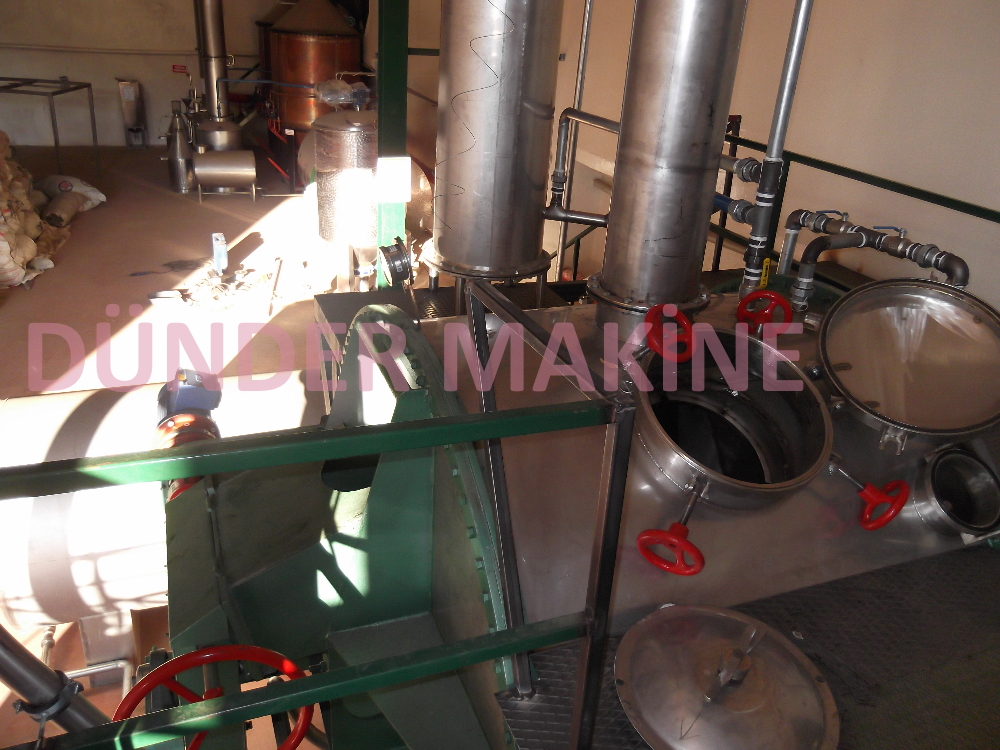
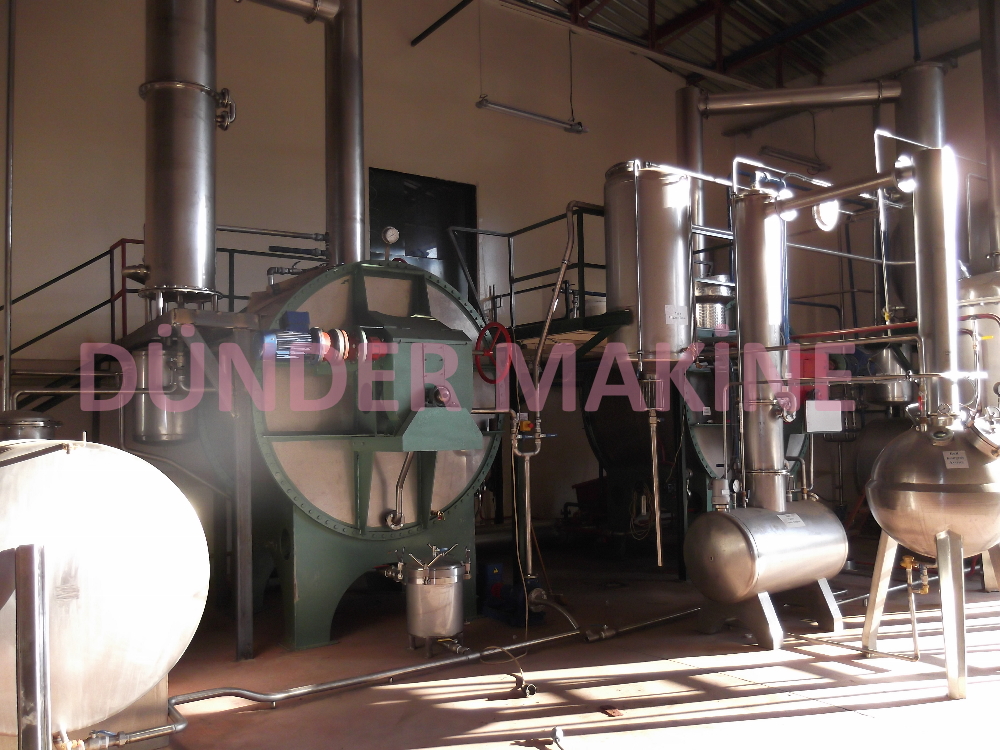
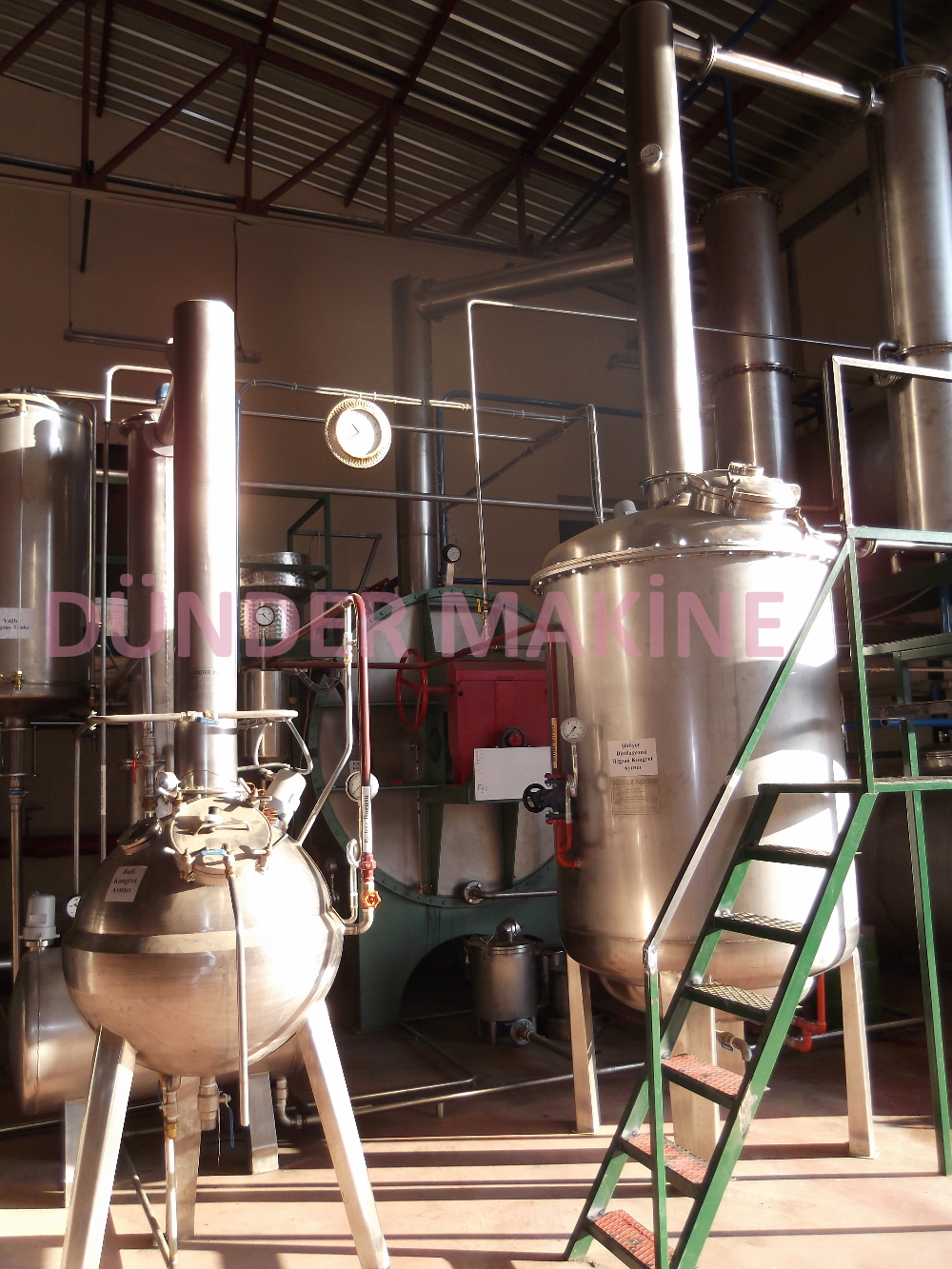
After the first evaporation, a concentrator brings the extract to its final strength. Receivers collect the recovered solvent for the next batch.
Why the layout of the line matters
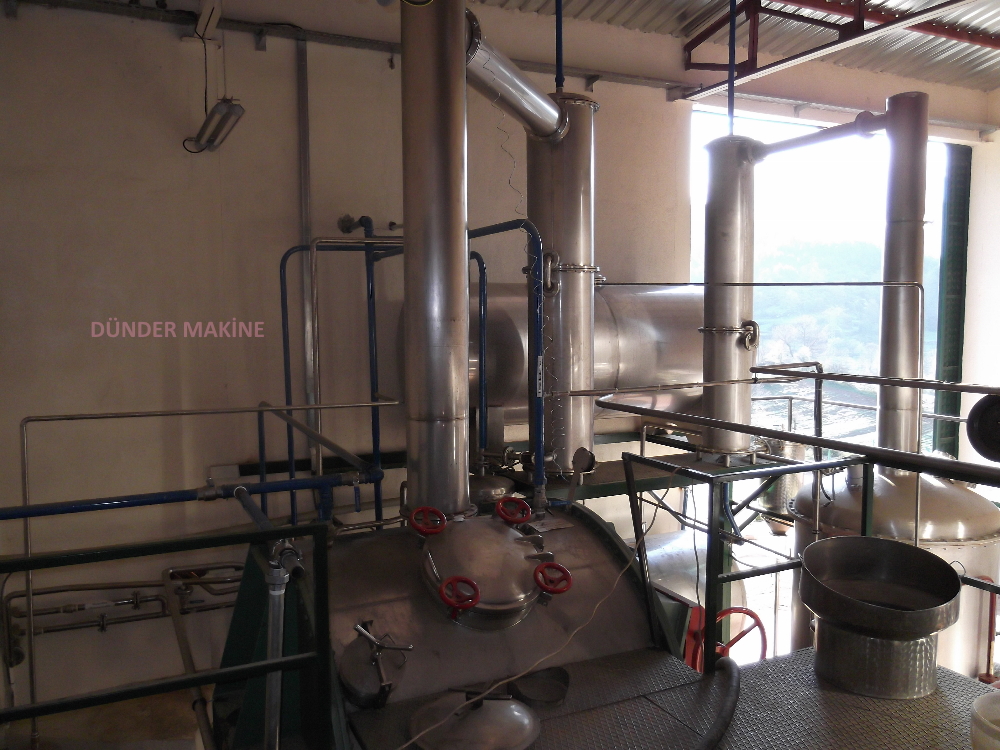
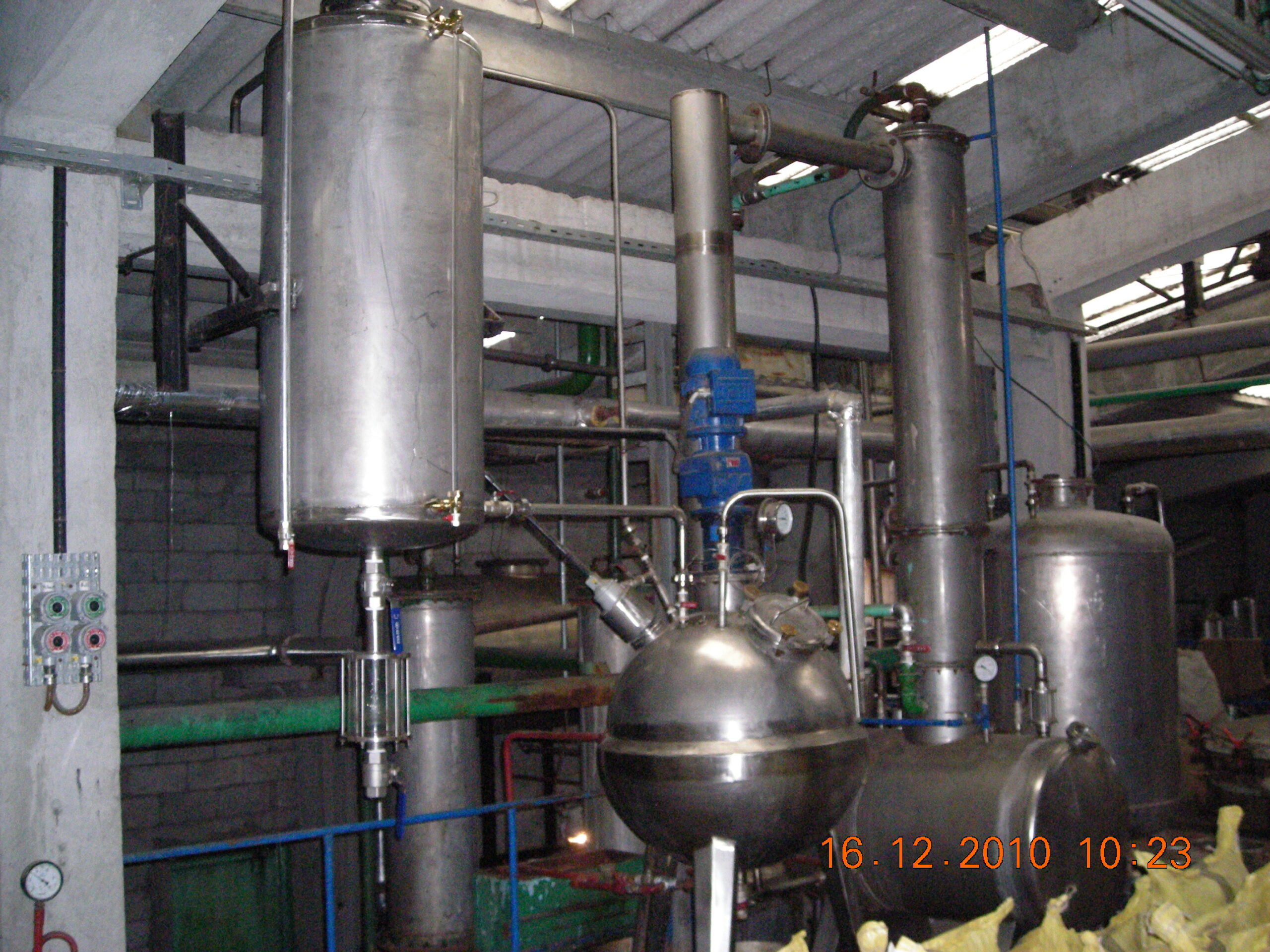
Flowers lose their scent quickly after harvest, so every minute between picking and extraction counts. For this reason, we place the extractor, evaporator and receivers as close together as the building allows. As a result, the operator can follow the whole process from one spot, and cleaning between batches takes less time.
The vacuum evaporator also has a direct effect on quality. Because it works at a low temperature, heat-sensitive aroma compounds stay in the product. You can read more about the principle of evaporation under reduced pressure before you plan your own plant.
See our solvent extraction systems, or contact Dünder Makine to plan a line for your raw material.
What to check when planning a rotary line
The parts of a rotary line must match each other. If the evaporator is too small, it slows down the extractor, and flowers wait while the solvent is recovered. Therefore, we size the evaporator, the concentrator and the condensers for the amount of solvent the extractor sends them in each cycle. Solvent storage, cooling water and steam supply are planned in the same step, so the whole line can run without interruption during the harvest.