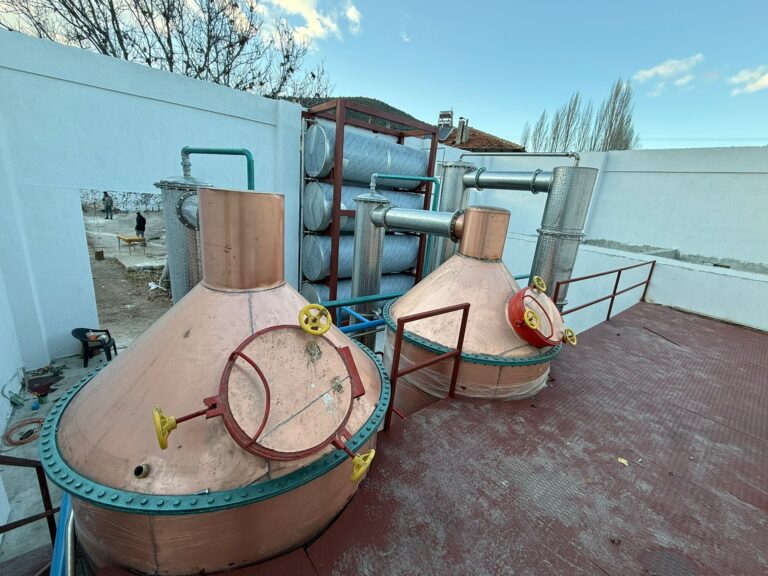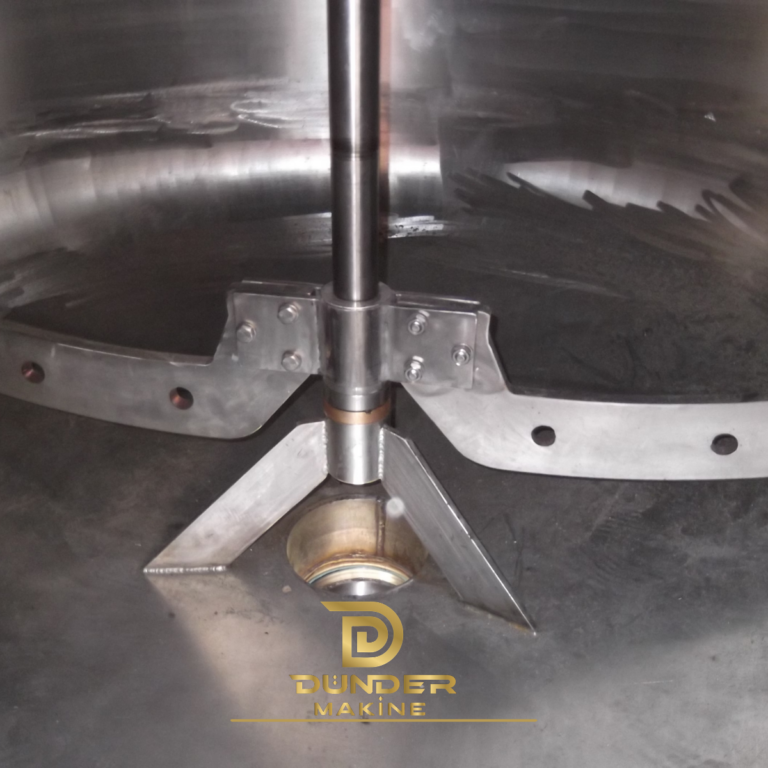
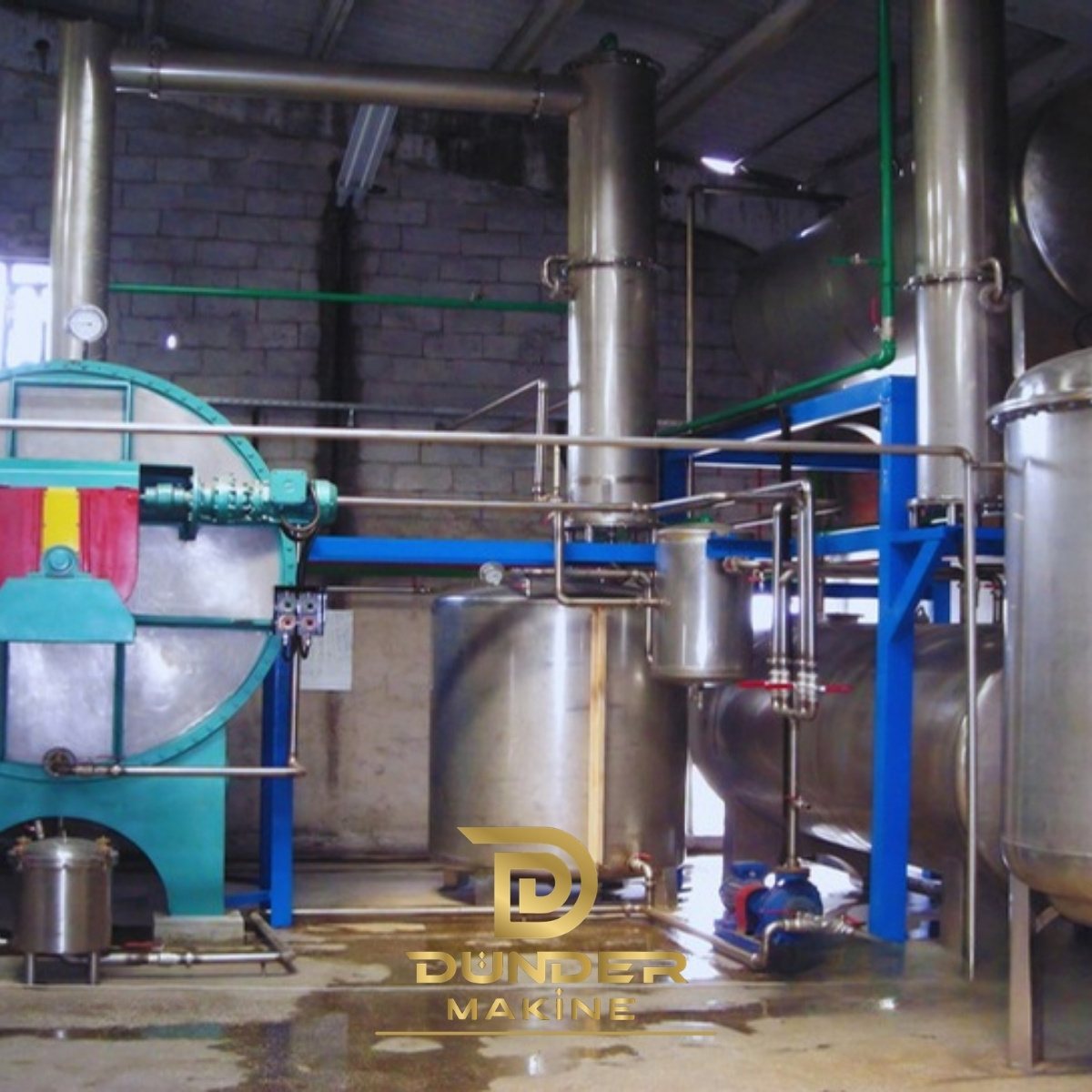
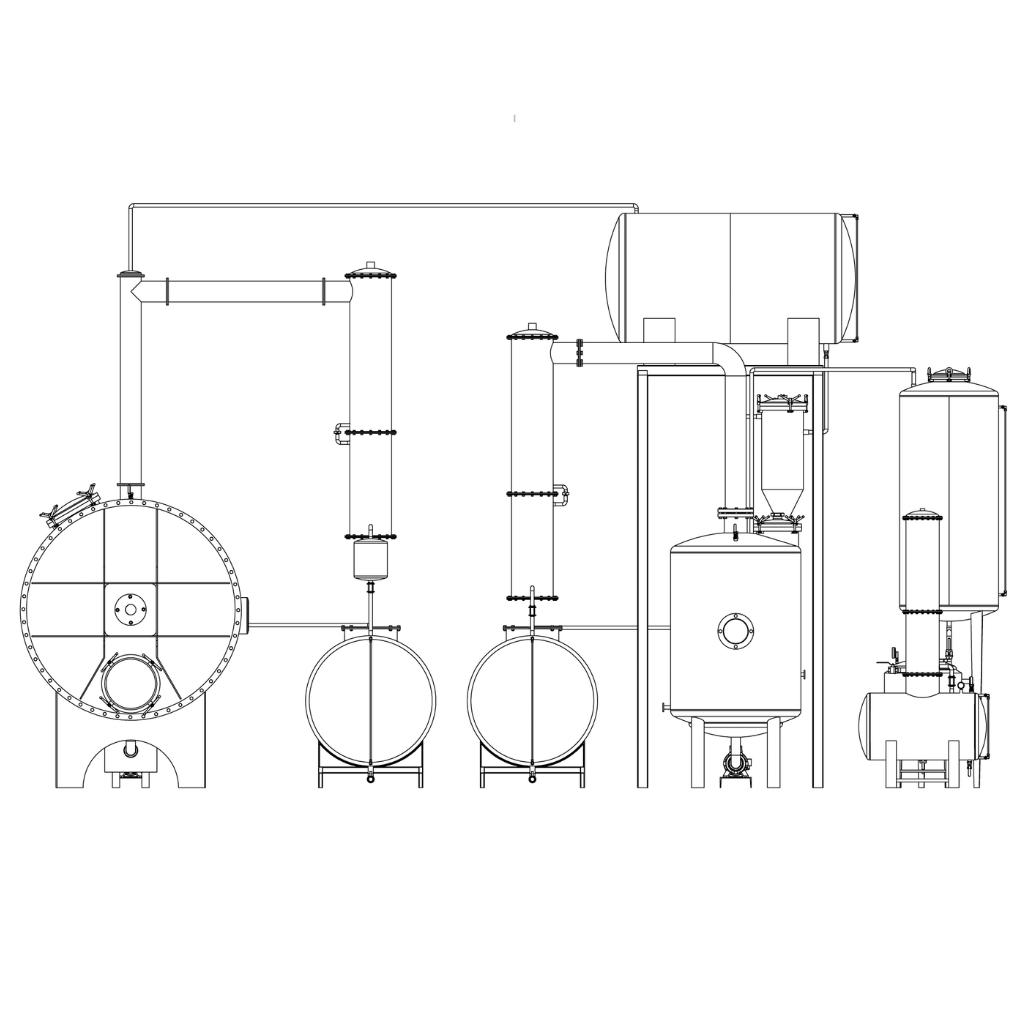
In rotary solvent extraction, the extractor itself moves. The plant material and the solvent go into a large drum that turns slowly. As a result, every flower and leaf stays in contact with fresh solvent. The photo shows a full line with the drum on the left and the columns and tanks behind it.
How rotary solvent extraction works
- First, the operator loads flowers or plant material into the drum.
- Next, solvent goes in and the drum starts to rotate.
- After the set time, the solution drains out to settle and pass through filters.
- Finally, the distiller and the evaporator recover the solvent and leave the concrete.
The method is a form of solid and liquid extraction. However, the slow rotation makes it gentle on delicate petals.
Watch the drum in action
In this short video, you can see one of our rotary extractors while it runs.
Strengths of the rotating drum
- High efficiency: constant movement improves contact between plant and solvent.
- Medium to large scale: the drum suits industrial volumes.
- Even results: there are no dead zones where the material stays untouched.
- Gentle handling: slow turning protects soft flowers such as rose and jasmine.
On the other hand, the moving parts mean a higher investment and more maintenance than a static extractor. So the choice depends on your volume and raw material.
Rotary solvent extraction with the EKS-R series
Our EKS-R series comes in 2,500 and 4,000 litre sizes. You can choose direct or indirect steam heating. In addition, every line includes tanks, filters, a distiller and a vacuum evaporator.
You can compare rotary, turbo and static basket systems on our industrial extraction systems page.
In short, rotary solvent extraction suits producers who process large batches of soft flowers. The drum turns slowly, so it treats petals gently while it keeps the solvent fresh around them. As a result, you get an even concrete from every batch.
FAQ
What does a rotary extractor produce? Mainly concrete from flowers. Later, you can refine it into absolute.
Is rotary better than turbo extraction? Turbo is faster and uses less solvent. Rotary, on the other hand, suits larger batches of soft flowers.
Can I reuse the solvent? Yes. The line recovers it, and it goes back to the next batch.
Want a proposal for your flowers? Contact us.