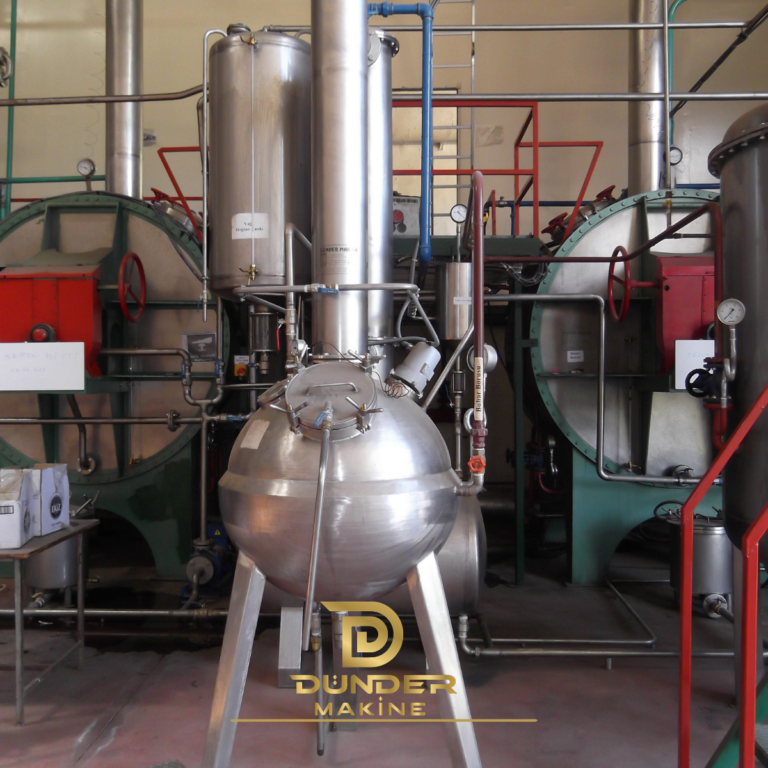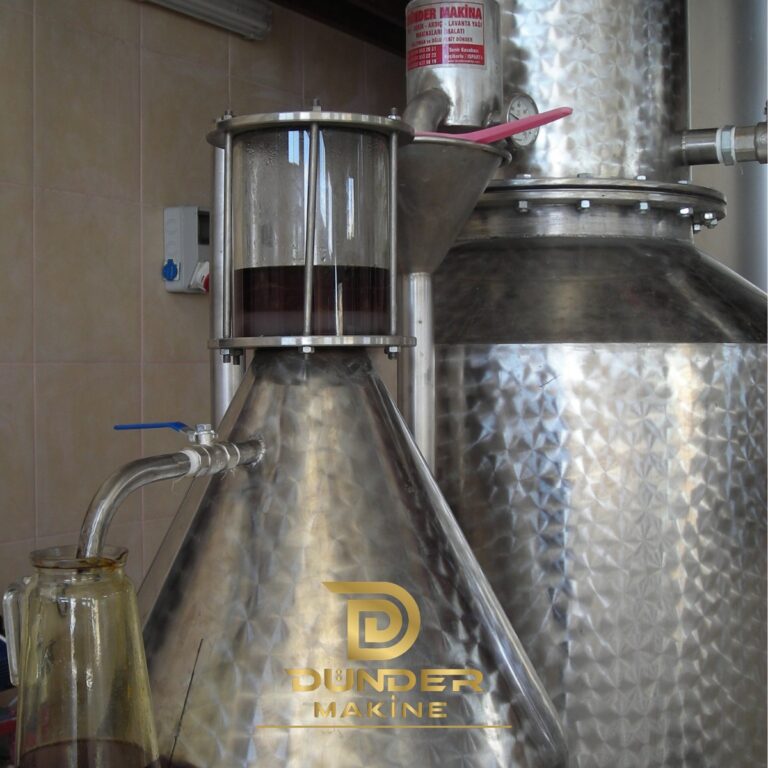
Producers who want the full aroma of rose, jasmine or tuberose often choose solvent extraction. At the heart of that process sits the extractor. Among the designs, the rotary extraction system stands out because it moves the material during the run. In this article, we explain how it works, how it compares with other extractors and when it is the right choice.
How a rotary extraction system works
A rotary extraction system uses a drum that turns slowly with the plant material and solvent inside. As the drum turns, the flowers tumble gently through the solvent. So every part of the load meets fresh solvent again and again.
This constant movement improves contact with the aroma compounds. As a result, the extraction is more complete and more even. After the run, the rich solvent drains out and goes to the evaporator. There the solvent leaves, and the concrete stays behind.
Rotary, fixed and tray extractors compared
Not every extractor moves the material. In a fixed extractor, the plant stays still while the solvent flows through it. This is simple and reliable for many materials. A tray extractor, on the other hand, holds the material in stacked layers and passes solvent through each one.
The rotary design is different, because the rotation itself does the mixing. Therefore, it suits materials that need gentle movement. In the end, the right choice depends on your plant, your scale and your products.
Advantages of a rotary extraction system
The main strength is contact. Because the material moves through the solvent, the extraction is more uniform. That often means a better yield from the same load.
In addition, the drum makes loading and unloading easier. You simply turn it to empty the spent material. For delicate flowers, this controlled movement is a real advantage.
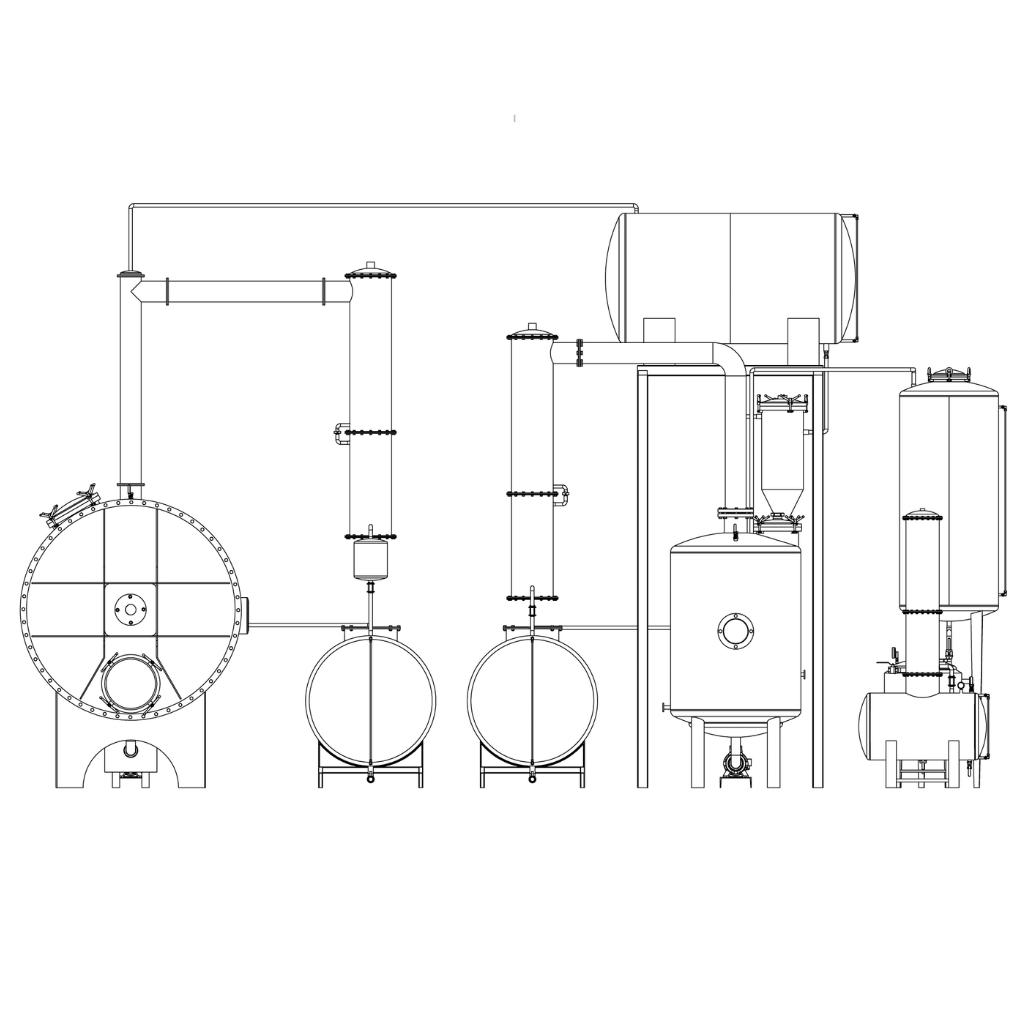
Which plants suit rotary extraction?
Producers use rotary extraction for flower concretes and absolutes, such as rose, jasmine, tuberose and mimosa. Also, it works well for many other aromatic and medicinal plants. You can read more about the end product on the absolute page.
Build quality matters
Like any equipment that touches aromatic raw materials, the extractor needs food grade stainless steel, AISI 304 or 316. It also needs clean welds and a design that is easy to load, drain and clean. Moreover, solvent handling demands a tight system for safety and clean recovery.
Choosing the right rotary extraction system
The best system matches your plant, your batch size and your target products. It also connects to the right evaporator and recovery line. At Dünder Makine, we have built extraction equipment in our own workshop since 1980. See our industrial extraction systems to compare models.
Planning a new line? Contact us to discuss the right setup for your flowers and capacity.